
2026.1.30
- Events
Asian Alliance for Stem Cells and Regenerative Medicine (AASCRM) Webinar Series February 2026


February Session
Human Pluripotent Stem Cell-Derived Embryo Models
Date: 24 February 2026 (Tuesday)
Time: 11:00-12:30(SGT, CST)/ 12:00-13:30 (JST, KST)/ 14:00-15:30 (AEDT)
Format: Virtual (Zoom Meeting)
Hosts: Lizhong Liu, The School of Life Sciences, Westlake University, China (CSSCR)
Melanie Eckersley-Maslin, Peter MacCallum Cancer Centre and The University of Melbourne, Australia (ASSCR)
Speaker’s Information
| Leqian Yu
State Key Laboratory of Organ Regeneration and Reconstruction, Institute of Zoology, Chinese Academy of Sciences, China “Embryo 3D reconstruction and embryo models: get a glimpse of the human early development“ |
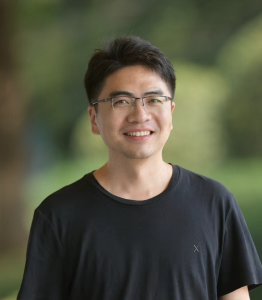 |
| Abstract The extreme scarcity of human embryo samples, combined with the significant differences between traditional model organisms, such as mice, and human early development, results in limited understanding of human embryonic development, particularly from implantation to gastrulation. This has led to what is referred to as the developmental “black box.” Stem cell-based embryo models offer a potential solution for exploring developmental events during this period. However, challenges remain in model development. Our study focuses on two key areas: 1) creating a developmental blueprint through 3D digital reconstruction of human embryos, and 2) simulating the developmental environment by constructing an artificial uterus system. These efforts aim to optimize the creation and development of embryo models, thereby enhancing our understanding of human early development. Bio Leqian Yu graduated from Kyoto University, Japan in 2017, followed by a postdoctoral fellowship at the UT Southwestern Medical Center, USA, he joined the Institute of Zoology, Chinese Academy of Sciences in August 2022. He is mainly engaged in basic research and translational applications of pluripotent stem cells and stem cell based embryo models. His works have been published in Cell, Nature, Cell Stem Cell etc. He generated the first complete in vitro model of the human embryo, “blastoid “, which opens a new door for studying early human embryonic development. His work has been selected as one of the “Cell Best of 2024” and “Science’s 2021 Breakthrough of the Year”. |
| Jose Polo
Adelaide Centre for Epigenetics (ACE), SAiGENCI, Adelaide University, Monash University, Australia “UNDERSTANDING HUMAN REPROGRAMMING: A JOURNEY FROM EPIBLAST TO TROPHOBLAST AND INTO iBLASTOIDS” |
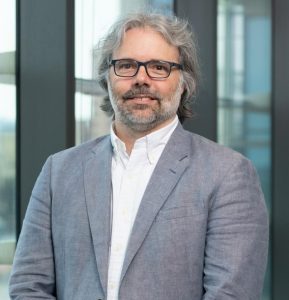 |
| Abstract In 2007 Shinya Yamanaka demonstrated that human fibroblasts can be reverted back to a pluripotent state by the forced expression of four transcription factors; OCT4, SOX2, KLF4 and cMYC. These so called induced pluripotent stem cells (iPSCs), like embryonic stem cells derived from the epiblast of blastocysts, can give rise to any cell types of the body. Furthermore, iPSCs carry the promise of personalized regenerative medicine and hold tremendous potential for applications such as cell replacements therapeutics, disease modelling and in vitro drug screening. However, the molecular mechanisms of these cellular transitions into primed or naive human-induced pluripotency remained poorly understood. To address this, we reconstructed the molecular reprogramming trajectories using single cell transcriptomics. The integration of regulatory element usage with transcriptomics unveiled an unexpected role of trophectoderm (TE) lineage-associated transcription factors as well as a subpopulation of cells that transiently upregulated a TE-like signature during reprogramming. We demonstrated that this TE state could be stabilised allowing the derivation of induced Trophoblast Stem Cells (iTSCs) and trophoblast organoids that can be used to model potential placenta diseases. Furthermore, inspection of the reprogramming cell cultures revealed also the upregulation of a primitive endoderm like signature in some of the cells. Unexpectedly, when all these cells are allowed to contact each other in a 3D culture, they self-organised giving rise to blastocyst-like structures which we have called iBlastoids. iBlastoids are capable of modelling in vitro, many molecular, morphological and functional aspects of embryonic development during the early stage of implantation. Bio |