
2026.3.24
- Events
Asian Alliance for Stem Cells and Regenerative Medicine (AASCRM) Webinar Series April 2026


April Session
Brain Organoids in Neuroscience Research – Mechanisms and Therapeutic Strategies
Date: 21 April 2026 (Tuesday)
Time: 11:00-12:30(SGT, CST)/ 12:00-13:30 (JST, KST)/ 14:00-15:30 (AEDT)
Format: Virtual (Zoom Meeting)
Hosts: Shi Yan NG, A*STAR Genome Institute of Singapore (SCSS)
Leqian YU, Chinese Academy of Sciences (CSSCR)
Speaker’s Information
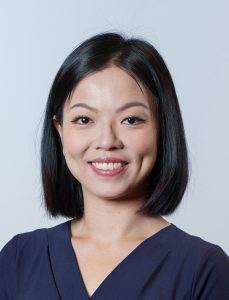
| Jinyue LIU
A*STAR Genome Institute of Singapore, Singapore “Spatial architecture of autism pathogenesis during early development” |
 |
| Abstract Autism spectrum disorder (ASD) is a neurodevelopmental condition that is clinical and etiologically diverse. How its pathophysiology emerges over development remains unclear. By combining spatial and single-cell transcriptomics of patient-derived brain organoids, we show that progenitor-neuron partitioning is disrupted and neurons are locally disorganized. Such spatially mosaic disarray persisted into maturation and implicated impaired adhesion between progenitors. Our work suggests that the spatial landscape of cellular processes leading to ASD may be heterogenous than previously thought and proposes a model in which spatially mosaic pathogenesis during early brain development contributes to the variation in clinical symptoms and brain structure among ASD individuals. Bio |
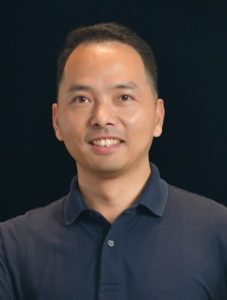
| Yangfei XIANG
School of Life Science and Technology, ShanghaiTech University, China “Human Neural Organoids: Brain and Beyond” |
 |
| Abstract Human neural organoids are three-dimensional in vitro models designed to recapitulate the structural and functional complexity of the human nervous system. Derived from pluripotent stem cells, these models are generated through either unguided or guided differentiation within 3D cultures. Despite their potential, neural organoids still face technical constraints that limit their physiological fidelity. Our research utilizes guided differentiation to construct specific human brain-region organoids with precision. By integrating multiple brain regions and distinct cell lineages, we have developed technologies that serve as platforms for investigating human-specific development, neural circuitry, disease pathophysiology, and pharmacological responses. This talk will introduce our recent progress in the engineering and application of human neural organoids, specifically focusing on brain substructures, inter-regional circuits, and the brain-body axis. Bio |